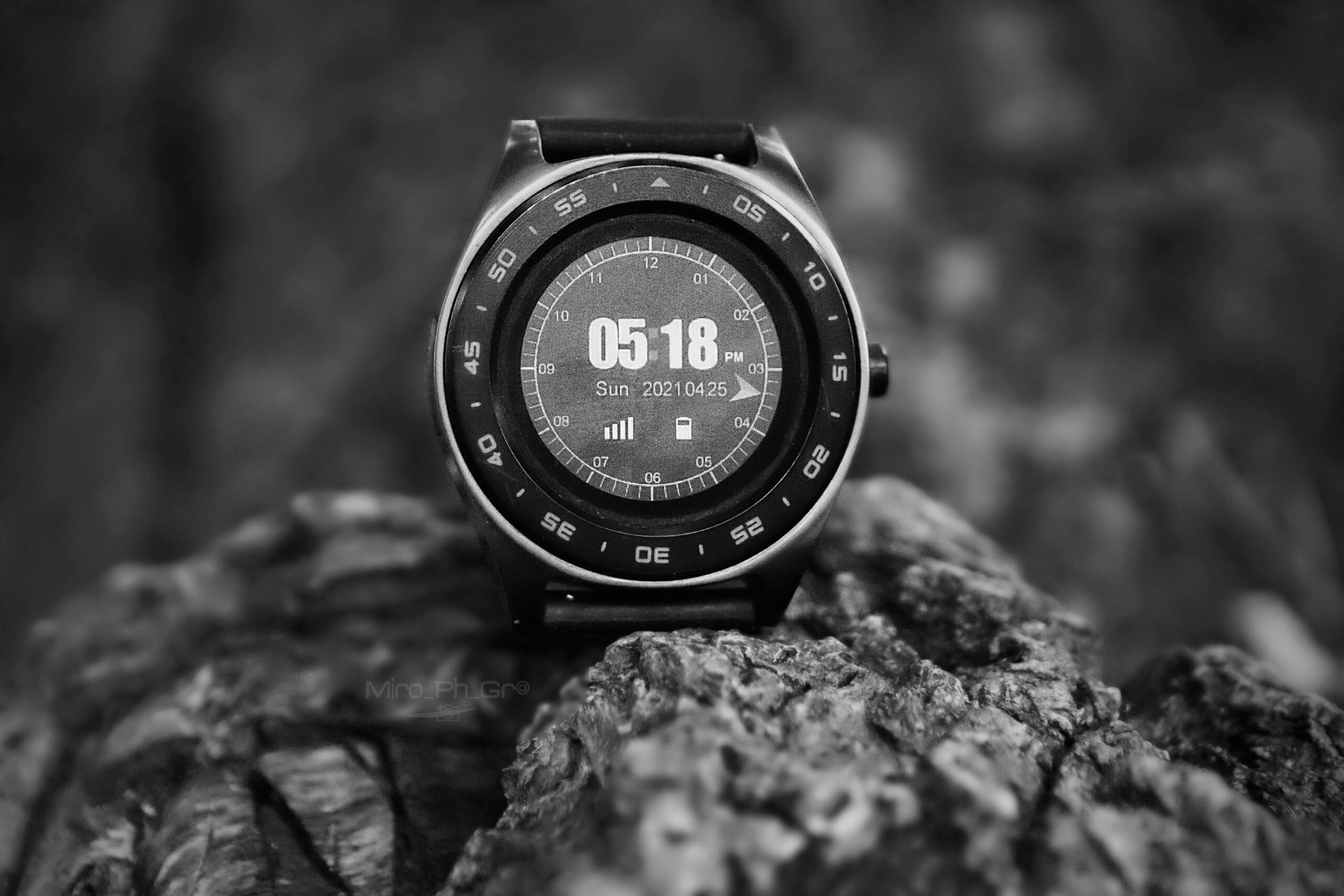
BodyMetrics refers to the detailed array of physiological measurements that capture body composition, including body fat percentage, lean muscle mass, visceral fat levels, bone density, total body water, and segmental analysis of limbs and torso. These metrics go far beyond basic scale readings by offering precise data on how the body is structured internally and how it responds to training stimuli. Fitness professionals rely on BodyMetrics to create individualized programs because they reveal whether weight changes stem from fat loss, muscle gain, or fluid shifts.
Core Elements of BodyMetrics
Body fat percentage quantifies the proportion of adipose tissue relative to total body mass. Athletes typically aim for ranges between 6 and 13 percent for men and 14 and 20 percent for women depending on sport demands. Lean muscle mass tracks the weight of skeletal muscle, organs, and connective tissue, serving as a direct indicator of metabolic rate and strength potential. Visceral fat surrounds internal organs and correlates strongly with cardiovascular risk when exceeding 10 percent of total fat. Bone density measurements help detect osteoporosis risks early, especially in endurance athletes or those with caloric deficits. Hydration status via total body water percentage influences recovery speed and performance output during intense sessions.
Measurement Technologies Behind BodyMetrics
Dual-energy X-ray absorptiometry provides gold-standard accuracy for bone and fat distribution through low-dose radiation scans. Bioelectrical impedance analysis sends safe electrical currents through the body to estimate water and fat compartments, with consumer devices achieving 2 to 4 percent error margins when protocols are followed consistently. Air displacement plethysmography uses chamber pressure changes to calculate volume and density quickly. 3D body scanning captures external dimensions and estimates internal composition via algorithms refined by large population datasets. Wearable smart scales combine impedance with user-input data for daily tracking convenience. Professional gyms often integrate these tools into apps that log trends over weeks and months.
Why BodyMetrics Drive Superior Fitness Outcomes
Traditional weight scales fail to distinguish muscle from fat, leading many individuals to misinterpret progress during strength phases. BodyMetrics reveal that a 5-pound scale increase accompanied by a 3 percent muscle gain and 2 percent fat reduction represents positive adaptation. This clarity prevents unnecessary calorie cuts that could impair hormone balance or training intensity. Monitoring visceral fat encourages dietary adjustments toward fiber-rich foods and stress management, lowering inflammation markers documented in longitudinal studies from the American College of Sports Medicine. Segmental readings highlight imbalances, such as dominant right quadriceps versus left, prompting unilateral exercises that reduce injury rates by up to 30 percent according to biomechanical research.
Integrating BodyMetrics Into Training Cycles
Beginners benefit from baseline scans every four weeks to establish realistic goals. Intermediate lifters use monthly checks during bulking phases to ensure fat accumulation stays below 1 percent per month. Advanced competitors schedule bi-weekly assessments near competition dates to fine-tune water manipulation and peak muscle fullness. Nutrition plans adjust macronutrients based on muscle synthesis rates inferred from lean mass changes. Cardio protocols shift emphasis when visceral fat plateaus despite consistent deficits. Recovery strategies incorporate sleep tracking correlated with hydration metrics, as low water percentages often signal overtraining. Apps aggregate this data into dashboards that predict future body composition trajectories using regression models trained on thousands of user profiles.
BodyMetrics and Metabolic Health Connections
Higher muscle mass elevates resting energy expenditure by 50 to 100 calories per pound gained, supporting long-term weight management. Low bone density flags the need for impact loading exercises like jumping or heavy squats. Elevated visceral fat prompts medical referrals for lipid panels and glucose tolerance tests. Athletes with imbalanced water percentages experience reduced power output and slower reaction times during events. Regular monitoring catches these shifts before performance declines become noticeable in training logs. Research published in the Journal of Strength and Conditioning Research demonstrates that programs guided by BodyMetrics produce 25 percent greater fat loss and 15 percent more muscle retention compared with weight-only approaches over 12-week periods.
Addressing Common Tracking Errors
Inconsistent hydration before measurements skews impedance results by several percentage points. Taking readings at different times of day introduces variability from food intake and activity. Using multiple devices without calibration creates conflicting data streams. Best practice involves standardized conditions: morning fasted state, same device, similar posture, and controlled temperature. Cross-validating with tape measurements of waist, hips, and limbs adds qualitative checks. Professionals recommend combining at least two methods quarterly for higher confidence intervals.
Emerging Trends in BodyMetrics Applications
Artificial intelligence now predicts injury risk by analyzing longitudinal muscle asymmetry patterns. Virtual reality environments simulate body composition changes to boost adherence through visual motivation. Genetic testing layers onto BodyMetrics to customize protein intake based on muscle fiber type predispositions. Corporate wellness programs deploy portable scanners to track employee health metrics and reduce insurance costs through early intervention. Youth sports academies monitor growth-related shifts in bone density to prevent overuse injuries during rapid development phases. These advancements position BodyMetrics as central to evidence-based fitness rather than supplementary tools.