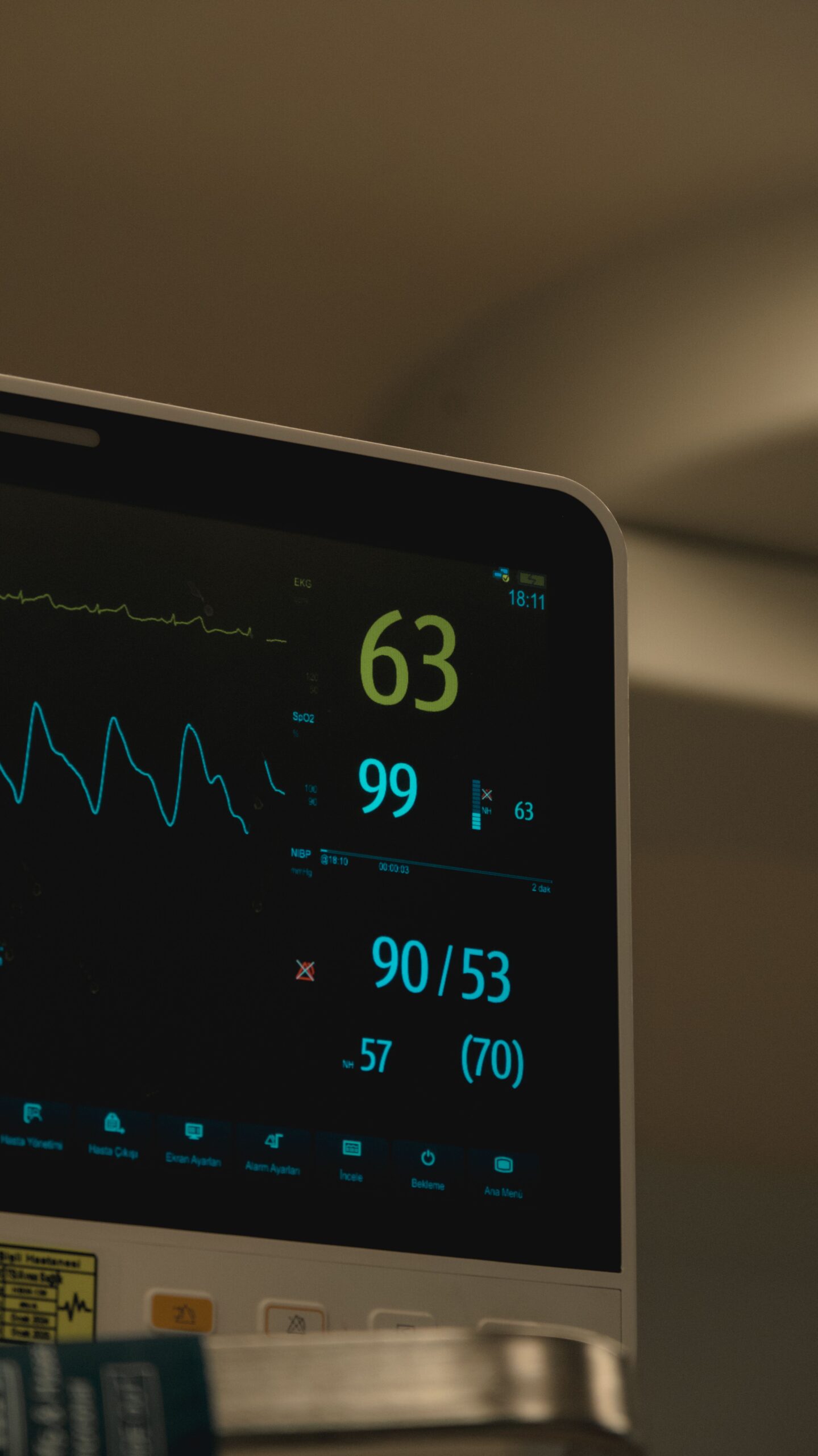
Types of Body Sensors Used in Health Monitoring
Body sensors form the core of modern health monitoring systems by capturing physiological data in real time. Accelerometers detect movement and orientation through microelectromechanical systems that measure changes in capacitance or piezoelectric effects. These sensors track steps, posture, and fall detection in devices like fitness trackers. Gyroscopes complement accelerometers by providing angular velocity data, enabling precise activity recognition such as distinguishing walking from running. Electrocardiogram sensors use electrodes to record electrical signals from the heart, amplifying microvolt-level potentials for arrhythmia detection. Photoplethysmography sensors employ LEDs and photodiodes to measure blood volume changes via light absorption, calculating heart rate and oxygen saturation noninvasively. Temperature sensors based on thermistors or infrared technology monitor core body heat variations linked to infections or metabolic rates. Galvanic skin response sensors measure skin conductance to assess stress levels through sweat gland activity.
Mechanisms Behind Accelerometer and Gyroscope Integration
Accelerometers operate on Newton’s second law, where force equals mass times acceleration, converting physical motion into electrical signals via capacitive plates that shift under inertia. In health monitoring, data from triaxial accelerometers filters noise using algorithms like Kalman filters to yield accurate activity metrics. Gyroscopes add rotational data through vibrating structures that experience Coriolis force, allowing fusion with accelerometer outputs in sensor fusion techniques. This combination supports gait analysis for neurological conditions like Parkinson’s disease, where stride variability indicates progression. Wearable devices sample these sensors at frequencies up to 100 Hz to balance battery life with data granularity. Machine learning models trained on labeled datasets classify movements, improving accuracy for rehabilitation tracking.
Optical Sensors and Photoplethysmography Principles
Photoplethysmography relies on light-tissue interaction where green or infrared LEDs illuminate skin and photodiodes detect reflected or transmitted light modulated by arterial blood pulsations. The AC component of the signal corresponds to heartbeat while the DC component reflects tissue absorption. Advanced versions use multiple wavelengths for SpO2 calculation via Beer-Lambert law, which quantifies oxygenated versus deoxygenated hemoglobin absorption. Motion artifacts are mitigated by adaptive filtering and multi-sensor arrays. In continuous glucose monitoring prototypes, near-infrared spectroscopy extends this principle to estimate blood sugar levels through tissue scattering patterns. These sensors enable cuffless blood pressure estimation by analyzing pulse transit time between proximal and distal sites.
Electrocardiogram and Bioimpedance Sensor Operations
Electrocardiogram sensors attach dry or wet electrodes to the skin to capture depolarization waves across cardiac cycles, with leads positioned in standard configurations like Einthoven’s triangle. Amplifiers boost signals while rejecting common-mode noise from power lines using instrumentation amplifiers. Digital signal processing applies bandpass filters between 0.5 and 150 Hz to isolate QRS complexes for heart rate variability analysis. Bioimpedance sensors pass low-current alternating signals through the body to measure tissue resistance changes, useful for respiration rate and body composition. Impedance pneumography detects thoracic volume shifts during breathing cycles. Combined ECG and bioimpedance setups provide comprehensive cardiac output estimates without invasive catheters.
Temperature, Pressure, and Chemical Body Sensors
Thermistor-based sensors exhibit resistance changes proportional to temperature via Steinhart-Hart equation, offering resolution below 0.1 degrees Celsius for fever tracking. Infrared thermopiles measure emitted radiation for noncontact forehead or ear readings. Pressure sensors using piezoresistive diaphragms monitor blood pressure waveforms in implantable or cuff devices. Chemical sensors detect biomarkers like lactate or cortisol through enzymatic reactions generating electrical currents in amperometric setups. Flexible microfluidic patches collect sweat for electrolyte analysis, supporting hydration monitoring during exercise. These sensors integrate with Bluetooth low-energy modules for wireless transmission to smartphones.
Data Acquisition, Processing, and AI Algorithms
Raw signals undergo analog-to-digital conversion at 16-bit resolution before edge computing applies feature extraction such as peak detection and Fourier transforms. Cloud platforms aggregate data for longitudinal analysis, employing recurrent neural networks to predict anomalies like atrial fibrillation episodes hours in advance. Privacy-preserving techniques like federated learning train models across devices without centralizing sensitive information. Calibration routines account for individual skin tones and motion profiles to maintain measurement fidelity. Battery optimization strategies include duty cycling where sensors activate only during detected activity bursts.
Applications in Fitness, Chronic Care, and Clinical Settings
Fitness enthusiasts use body sensors to optimize training loads by monitoring heart rate zones and recovery metrics derived from heart rate variability. Athletes track muscle oxygen saturation during high-intensity intervals. Chronic disease management benefits from continuous glucose and blood pressure monitoring that alerts users to hypo- or hypertensive events. Remote patient monitoring reduces hospital readmissions for heart failure patients through daily weight and symptom correlation. In clinical trials, implantable loop recorders provide long-term ECG data for epilepsy or syncope diagnosis. Pediatric applications include smart diapers detecting dehydration via temperature and moisture sensors.
Challenges in Accuracy, Power, and User Adoption
Signal noise from electromagnetic interference or poor electrode contact reduces reliability, addressed by shielding and conductive gels. Power constraints limit sampling rates in battery-powered wearables, prompting energy-harvesting solutions from body heat or motion. Data interoperability issues arise across proprietary platforms, solved by standards like HL7 FHIR for seamless electronic health record integration. User compliance drops with uncomfortable form factors, driving development of tattoo-like epidermal electronics. Regulatory hurdles require FDA clearance demonstrating clinical equivalence to gold-standard devices.
Emerging Innovations and Sensor Miniaturization
Graphene-based flexible sensors promise higher sensitivity and stretchability for seamless skin integration. Ultrasound transducers embedded in patches enable deep tissue imaging for muscle or vascular assessment. 5G connectivity supports real-time high-resolution data streaming for telesurgery feedback. Quantum sensors explore magnetocardiography for superior signal-to-noise ratios over traditional ECG. Biodegradable materials allow temporary implants that dissolve after monitoring periods, eliminating removal procedures.