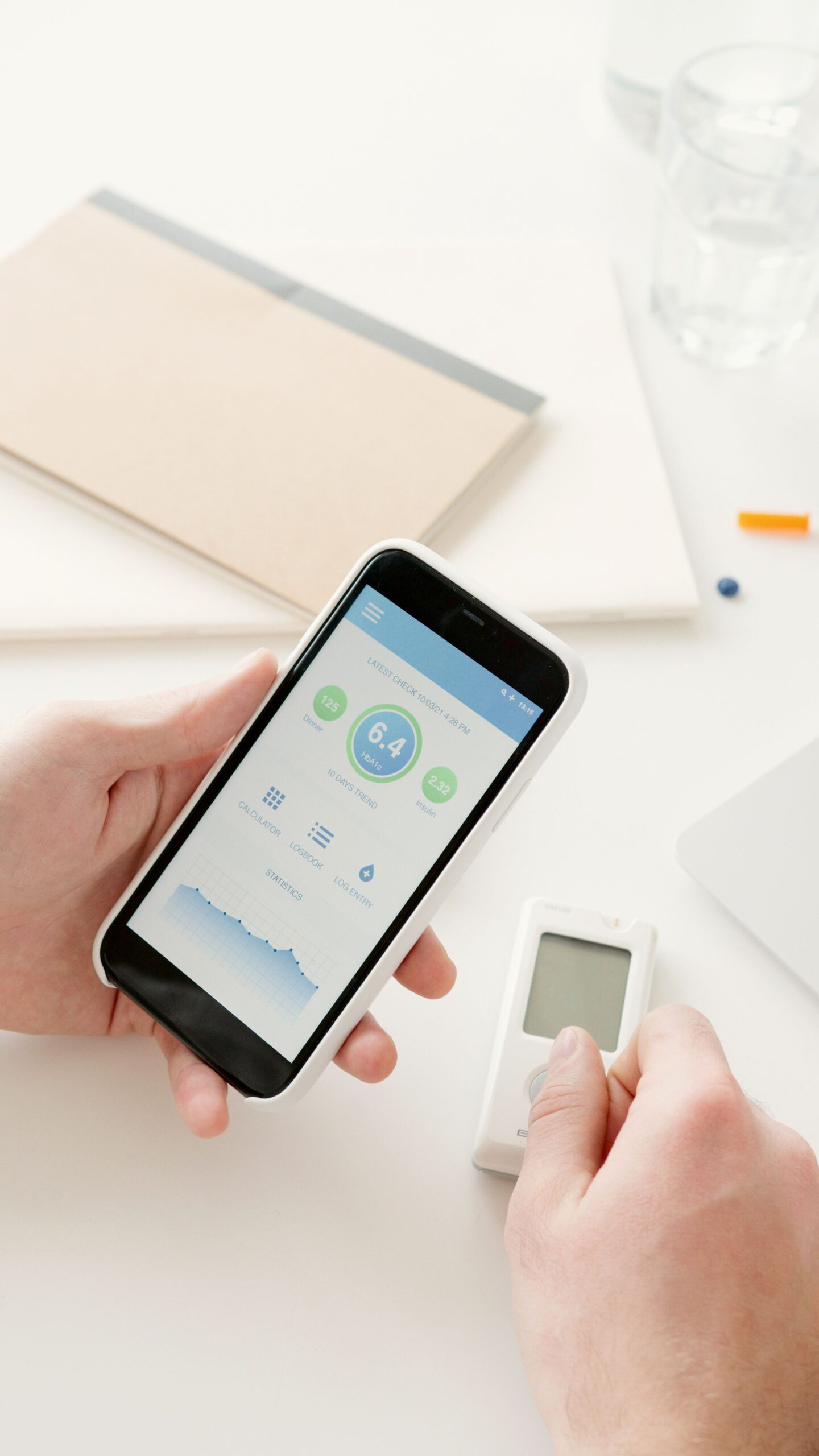
Health sensors integrated into wearable devices enable continuous tracking of vital signs such as heart rate, blood oxygen levels, and body temperature throughout the day. These compact technologies, often embedded in smartwatches or fitness bands, collect data passively without requiring user intervention. Users benefit from immediate alerts when readings deviate from personal baselines, supporting proactive adjustments to daily routines like hydration or rest periods.
Types of Health Sensors Commonly Used in Daily Monitoring
Accelerometers detect movement patterns and sleep quality by measuring acceleration forces. Gyroscopes complement them by tracking orientation changes during physical activities. Optical heart rate sensors employ photoplethysmography to analyze blood flow through light absorption. Electrocardiogram sensors provide single-lead readings that identify irregular rhythms like atrial fibrillation. Galvanic skin response sensors monitor stress through sweat gland activity. Temperature sensors track subtle fluctuations that may signal infections or hormonal shifts. Glucose monitors, though often semi-invasive, pair with apps for real-time blood sugar management in diabetic individuals.
– Accelerometer data helps quantify steps, calories burned, and sedentary time. – Heart rate variability metrics reveal recovery status after exercise. – Blood oxygen saturation levels assist in detecting respiratory issues during sleep.
Real-Time Data Collection and Its Role in Preventive Care
Health sensors deliver minute-by-minute updates that traditional annual checkups cannot match. This granularity reveals patterns such as post-meal glucose spikes or nocturnal heart rate elevations linked to stress. Early detection of anomalies allows users to consult physicians before conditions escalate. Studies indicate that consistent monitoring reduces emergency visits by identifying trends like rising blood pressure over weeks rather than isolated readings.
Daily health monitoring through these devices encourages behavioral changes. For instance, vibration reminders prompt users to stand after prolonged sitting, lowering risks associated with inactivity. Personalized insights derived from aggregated sensor data foster accountability without overwhelming the individual.
Benefits for Managing Chronic Conditions
Individuals with hypertension use blood pressure cuffs synced to sensors for home tracking that complements medication adherence. Diabetics rely on continuous glucose monitors to maintain stable levels, minimizing hypo- or hyperglycemic episodes. Respiratory patients benefit from pulse oximeters that flag oxygen desaturation during routine tasks. Cardiac patients monitor ECG traces to share detailed logs with cardiologists during virtual appointments.
Sensor fusion combines multiple inputs for holistic views. A device might correlate elevated heart rate with low activity and high stress scores to suggest mindfulness exercises. This integrated approach improves quality of life by reducing hospital readmissions and supporting remote patient management programs.
Enhancing Fitness and Lifestyle Optimization
Athletes leverage health sensors to optimize training loads based on recovery metrics from heart rate variability. Casual users track progress toward goals like 10,000 daily steps or consistent sleep durations. Sensors quantify sleep stages including deep, light, and REM periods, guiding adjustments to bedtime routines for better rest.
Nutrition integration occurs when apps correlate meal logs with postprandial sensor readings. Users identify foods that trigger adverse responses and refine diets accordingly. Mental health gains emerge from stress tracking that prompts breathing exercises at peak tension moments detected by skin conductance changes.
Integration with Mobile Applications and Ecosystems
Smartphone connectivity transforms raw sensor output into actionable dashboards. Cloud storage enables longitudinal analysis across months or years. Machine learning algorithms within apps predict potential issues, such as dehydration risk based on activity and temperature trends. Compatibility with electronic health records allows seamless sharing with healthcare providers.
Voice assistants on devices provide hands-free queries about current metrics. Notifications adapt to user preferences, balancing informativeness with minimal disruption during focused work. Cross-device synchronization ensures data continuity whether wearing a wristband or chest strap.
Privacy Considerations and Data Security in Health Monitoring
Health sensors handle sensitive biometric information that demands robust encryption protocols. Users control sharing permissions through app settings to limit access to trusted parties. Regulatory frameworks like HIPAA in the United States mandate safeguards for stored records. Regular firmware updates patch vulnerabilities that could expose personal data.
Transparency features allow export of raw datasets for independent review. Opt-out mechanisms prevent unintended transmission to third-party advertisers. Education on data ownership empowers users to make informed decisions about device usage.
Evidence from Research on Sensor Effectiveness
Clinical trials demonstrate that participants using daily health monitoring sensors achieve better control over metrics like HbA1c levels in diabetes management. Cardiovascular studies report improved adherence to exercise prescriptions when feedback loops from wearables reinforce positive behaviors. Meta-analyses confirm reductions in systolic blood pressure averaging 5-10 mmHg among consistent trackers.
Longitudinal data from large cohorts reveal correlations between sensor-detected sleep improvements and enhanced cognitive performance. Cost-effectiveness analyses show potential savings in healthcare expenditures through prevented complications.
Emerging Advancements Expanding Sensor Capabilities
Miniaturization allows embedding sensors in clothing or jewelry for unobtrusive monitoring. Multi-parameter devices now combine ECG, PPG, and temperature in single units. AI-driven analytics refine anomaly detection accuracy, reducing false positives that cause unnecessary anxiety.
Non-invasive blood pressure estimation via sensor arrays advances toward cuffless solutions. Sweat analysis sensors detect electrolyte imbalances during workouts. Integration with augmented reality overlays provides visual feedback during rehabilitation exercises.
Practical Tips for Maximizing Sensor Benefits
Calibrate devices according to manufacturer guidelines for accurate baselines. Combine sensor data with professional medical advice rather than relying solely on alerts. Maintain consistent wear time to build reliable datasets. Review weekly summaries to spot gradual shifts warranting lifestyle tweaks. Experiment with different sensor placements to optimize signal quality during varied activities.
Users report higher engagement when setting specific, measurable targets within apps. Pairing devices with community features fosters motivation through shared challenges. Regular battery maintenance ensures uninterrupted data streams critical for trend identification.