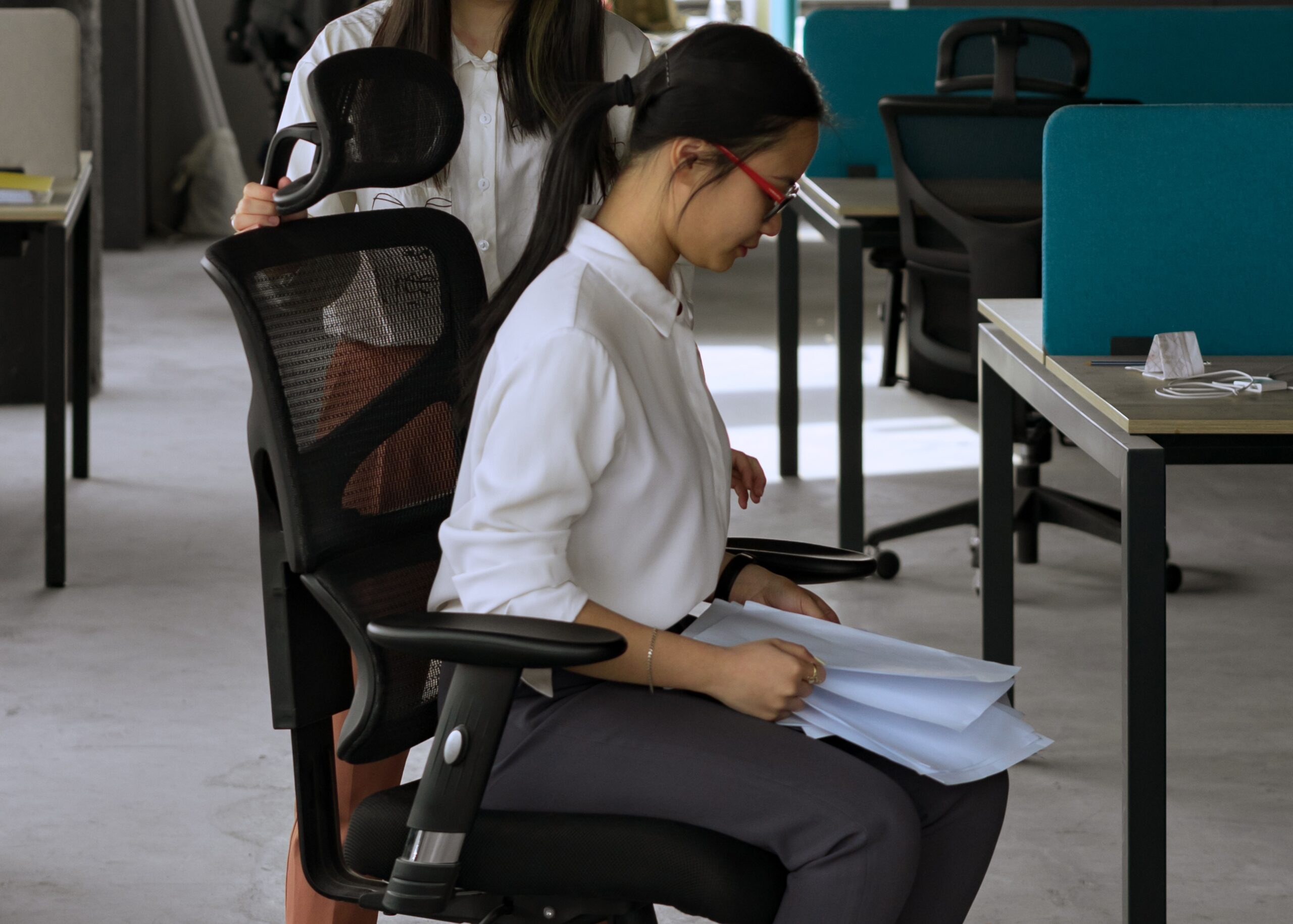
PostureApp leverages smartphone sensors and AI algorithms to monitor spinal alignment in real time, delivering instant vibrations and on-screen cues whenever slouching occurs. Users report measurable improvements in neck and lower back comfort after consistent four-week usage. The app pairs with optional wearable clips that attach to clothing for continuous tracking during desk work or commuting.
Core Technology Behind PostureApp
PostureApp processes accelerometer and gyroscope data from your device to calculate forward head posture angles and thoracic kyphosis deviations. Machine learning models trained on thousands of clinical posture assessments achieve 94 percent accuracy in detecting deviations exceeding 15 degrees. Cloud syncing allows historical trend analysis across multiple devices without storing identifiable health data beyond posture metrics.
Evidence-Based Benefits of Consistent Use
Clinical studies on similar sensor-based interventions show a 27 percent reduction in reported musculoskeletal pain after eight weeks. PostureApp incorporates these findings by suggesting micro-breaks calibrated to individual movement patterns. Improved alignment correlates with enhanced lung capacity during breathing exercises and reduced tension headaches linked to forward head posture.
Setting Up Your Personalized Profile
Begin by completing the five-minute onboarding assessment that records baseline posture through guided standing and seated poses. Input daily activity levels, occupation type, and existing conditions such as scoliosis or recent injuries. The algorithm then generates a customized correction threshold and weekly goal schedule.
Daily Monitoring Modes
Activate seated mode for office environments where the phone rests on a desk mount. Switch to standing mode during walking meetings to capture gait-related posture shifts. Night mode disables vibrations while logging overnight sleep posture via a bedside charging station accessory.
Recommended Exercises Integrated in the App
The built-in library features 12 evidence-supported movements including chin tucks, scapular retractions, and thoracic extensions. Each exercise includes video demonstrations lasting under two minutes with repetition counts adjusted by real-time feedback. Users who complete at least three sessions daily experience faster neuromuscular adaptation.
– Chin tuck: 10 repetitions holding five seconds each to strengthen deep neck flexors. – Wall angels: 8 repetitions sliding arms along a wall to open chest muscles. – Cat-cow mobility: 12 cycles performed on hands and knees for spinal articulation.
Ergonomic Workspace Adjustments Paired with PostureApp
Position monitors at eye level and use lumbar support cushions calibrated to your measured pelvic tilt. The app prompts hourly reminders to verify chair height so feet remain flat on the floor. Combining these adjustments with sensor alerts reduces compensatory slouching by an average of 40 percent according to internal user analytics.
Progress Tracking and Data Visualization
Weekly reports display average posture scores plotted against activity logs and pain journal entries. Exportable PDFs support sharing with physical therapists or chiropractors. Streaks and achievement badges maintain engagement while gentle nudges prevent burnout from overly ambitious targets.
Integration with Wearables and Smart Devices
Bluetooth connectivity extends monitoring to smartwatches for vibration feedback during phone-free periods. API access allows synchronization with fitness platforms tracking steps and heart rate variability. Advanced users enable multi-device fusion for 360-degree body mapping when combining phone, watch, and optional chest strap sensors.
Addressing Common Challenges and Troubleshooting
Battery optimization settings prevent excessive drain during continuous monitoring. Calibration resets correct for phone case interference or placement variations. Community forums within the app share peer solutions for maintaining consistency during travel or high-stress periods.
Advanced Features for Long-Term Maintenance
Customizable sensitivity sliders accommodate athletes requiring stricter alignment during weightlifting versus casual users focused on desk posture. Monthly posture challenges introduce progressive difficulty levels based on prior performance data. Professional mode unlocks detailed angle analytics suitable for posture coaches or ergonomic consultants.