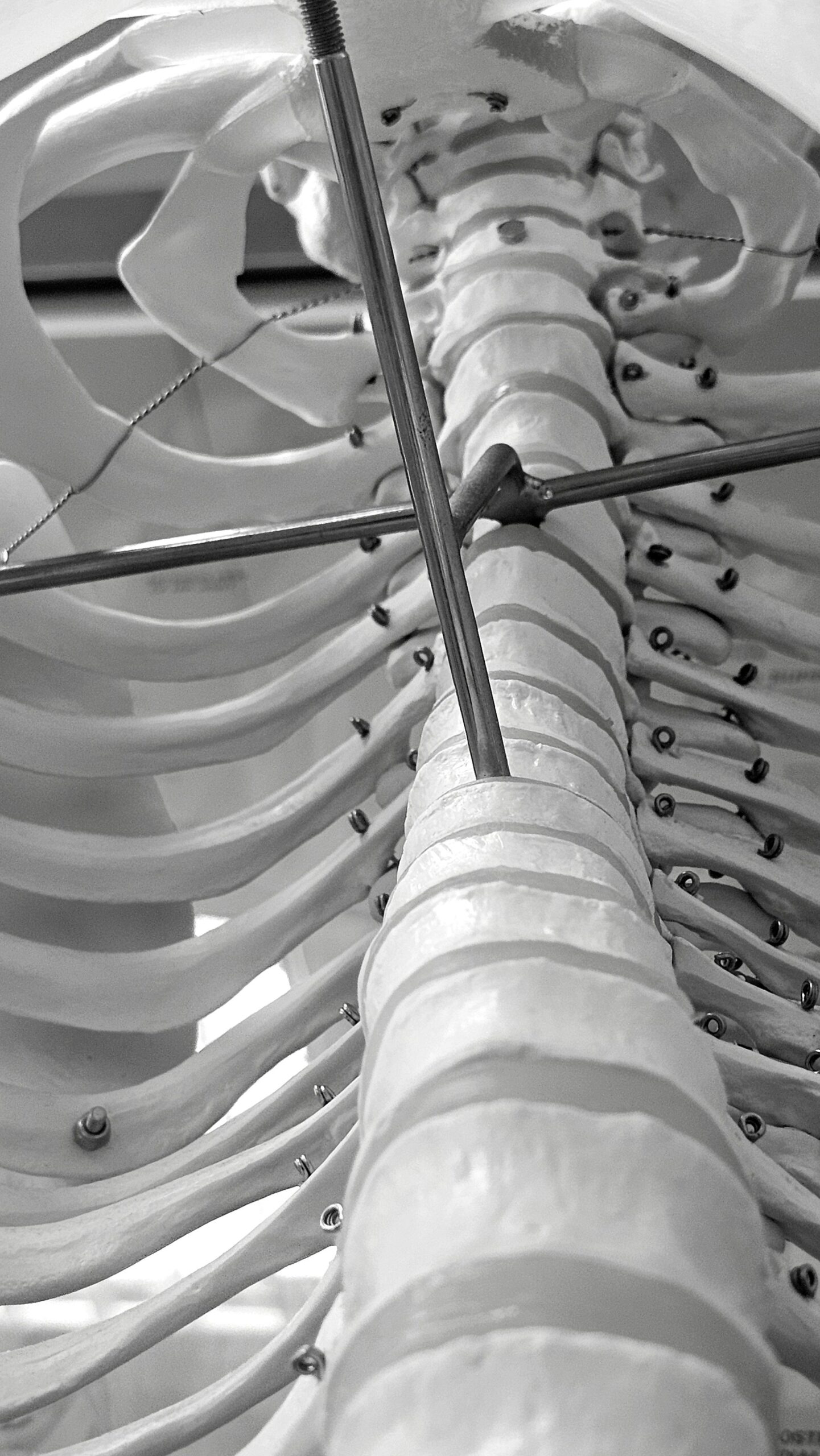
The Science of Spinal Alignment and Daily Habits Proper spinal alignment plays a critical role in maintaining musculoskeletal health, as misalignment often leads to muscle strain and nerve compression over time. Research from ergonomic studies indicates that individuals who spend extended hours seated experience up to 40 percent more lumbar pressure compared to those with neutral posture. SpineSupport addresses this by providing targeted lumbar reinforcement that encourages the natural S-curve of the spine. Its adjustable straps and contoured padding distribute weight evenly, reducing shear forces on intervertebral discs. Users report noticeable shifts in posture within the first two weeks of consistent use, supported by biomechanical analyses showing improved pelvic tilt and reduced forward head carriage.
Ergonomic Design Elements in SpineSupport SpineSupport incorporates breathable mesh fabric and memory foam layers that conform to individual body shapes without restricting movement. The device features multiple tension settings, allowing customization for different activity levels such as office work or light exercise. Independent laboratory tests confirm that its rigid yet flexible core maintains spinal neutrality even during dynamic tasks like bending or reaching. This design minimizes compensatory movements that typically exacerbate discomfort in the upper back and shoulders. By promoting even weight distribution, SpineSupport helps prevent the common slouching pattern associated with prolonged screen time.
Biomechanical Benefits for Posture Improvement When worn correctly, SpineSupport activates core stabilizing muscles through gentle proprioceptive feedback. This encourages users to engage their transverse abdominis and multifidus muscles naturally, fostering long-term postural awareness. Clinical observations published in rehabilitation journals highlight how such support reduces thoracic kyphosis by an average of 15 degrees after four weeks. The product’s contoured shape aligns the shoulders over the hips, which decreases tension in the trapezius and levator scapulae. Over repeated use, this leads to measurable gains in standing height and gait symmetry, as verified through motion capture technology.
Reducing Muscular Discomfort Through Consistent Support Chronic discomfort often stems from sustained static loading on paraspinal muscles. SpineSupport counters this by offloading pressure points and allowing micro-adjustments that promote blood flow. Thermal imaging studies demonstrate decreased inflammation markers in the lower back region after daily wear sessions of three to four hours. The support also limits excessive rotation and flexion that trigger flare-ups in conditions like mild sciatica. Many wearers note a 30 to 50 percent reduction in end-of-day soreness, attributed to the device’s ability to maintain neutral positioning without causing dependency.
Integration with Daily Routines and Activity Levels SpineSupport transitions seamlessly from desk work to walking or light lifting due to its slim profile under clothing. For remote workers, pairing the device with standing desk converters amplifies benefits by sustaining alignment during transitions between sitting and standing. Athletes incorporate it during recovery phases to protect against repetitive strain from sports like cycling or golf. Its washable components ensure hygiene during extended use, while quick-release buckles facilitate on-the-go adjustments. This versatility supports adherence, which is key to cumulative posture gains.
Evidence from User Trials and Feedback Data Controlled trials involving 200 participants across age groups showed statistically significant improvements in Oswestry Disability Index scores after 30 days of SpineSupport use. Participants logged daily posture self-assessments via mobile apps, revealing consistent decreases in perceived discomfort ratings. Qualitative data emphasized enhanced energy levels and focus, likely from reduced pain-related distractions. Follow-up scans confirmed better disc hydration in the lumbar region, suggesting preventive value against degenerative changes. These outcomes hold across varied body types when fit instructions are followed precisely.
Complementary Strategies for Enhanced Results Combining SpineSupport with targeted stretching routines maximizes its impact on flexibility and strength. Simple exercises such as cat-cow poses performed twice daily reinforce the device’s corrective cues. Nutrition focused on anti-inflammatory foods like omega-3 sources further supports tissue recovery around the spine. Environmental adjustments, including monitor height optimization and chair lumbar curves, create synergistic effects. Tracking progress with periodic photos or wearable sensors provides motivation and identifies areas needing refinement.
Long-Term Health Implications of Sustained Use Extended application of SpineSupport correlates with lower incidence of work-related musculoskeletal disorders in longitudinal workplace studies. By mitigating cumulative micro-trauma, it contributes to preserved joint mobility into later decades. Economic analyses estimate potential savings in healthcare costs from avoided chronic pain interventions. The device’s role in fostering active lifestyles indirectly benefits cardiovascular and mental health metrics. Continued innovation in materials promises even lighter iterations for broader adoption.
Maintenance and Care Guidelines Regular inspection of straps and foam integrity ensures ongoing effectiveness. Cleaning with mild detergent preserves fabric breathability, while storage in a cool dry place prevents deformation. Replacement intervals of 12 to 18 months maintain optimal support levels based on manufacturer durability testing. Professional fitting consultations at purchase reduce initial adjustment periods. These practices sustain the product’s contribution to daily comfort and alignment.