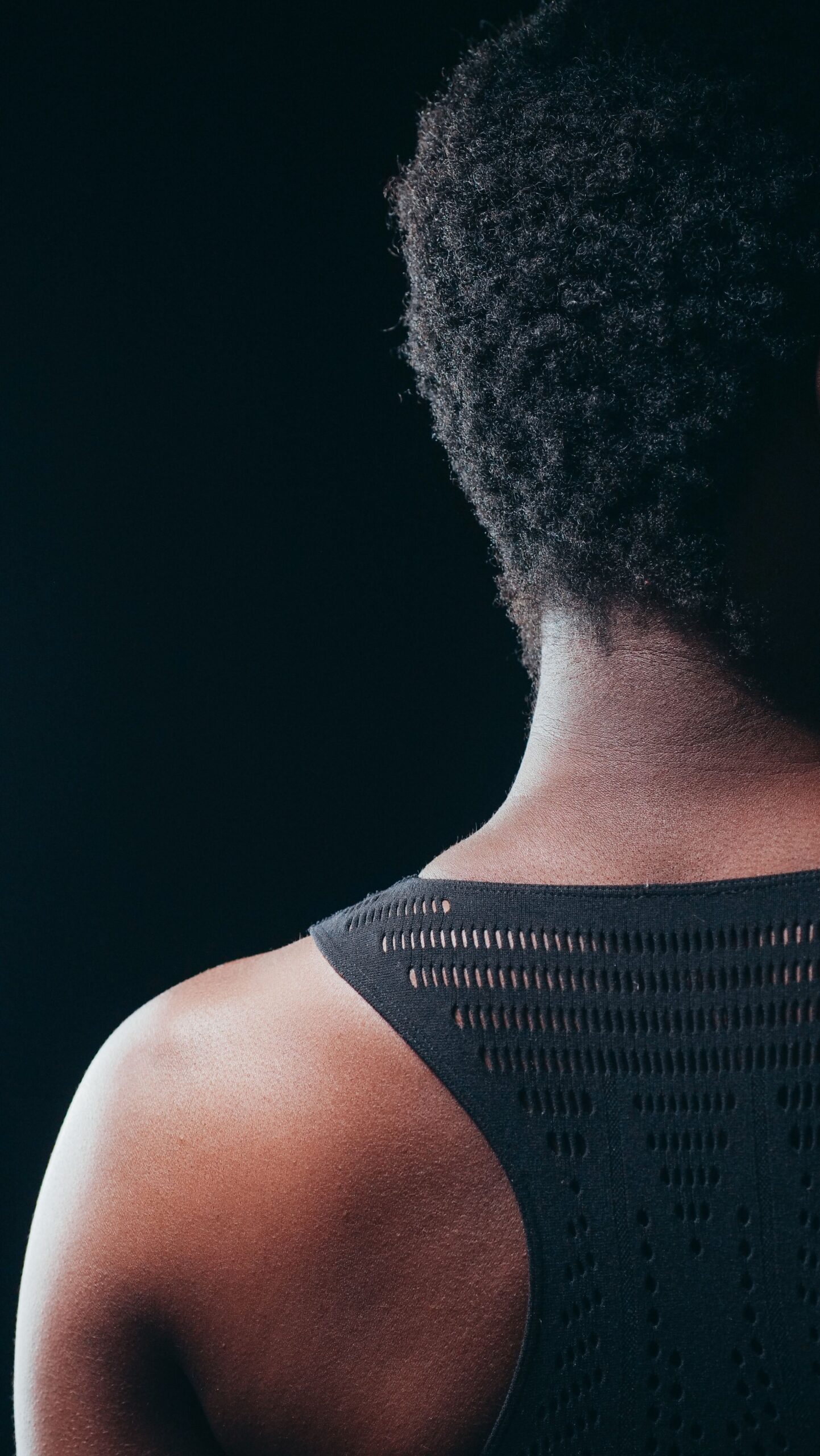
The Science Behind Back Pain and Poor Posture
Back pain affects millions of adults worldwide, often stemming from prolonged sitting, improper lifting techniques, and weakened core muscles that fail to support the spine adequately. Research from ergonomic studies highlights how forward head posture and rounded shoulders increase pressure on lumbar discs by up to 50 percent, leading to chronic discomfort. PostureBelt addresses these issues through targeted support that encourages natural spinal alignment without relying on medications or invasive procedures.
How PostureBelt Promotes Natural Spinal Alignment
The device features adjustable straps and breathable fabric panels that gently pull the shoulders back while stabilizing the lower back. This mechanism activates the body’s own proprioceptive feedback, training muscles to maintain correct positioning during daily activities. Users report reduced muscle tension within the first week as the belt distributes weight evenly across the torso, minimizing strain on the erector spinae and multifidus muscles.
Key Features That Enhance Daily Comfort
PostureBelt incorporates memory foam padding along the lumbar region to provide cushioning without bulk. Its lightweight design allows all-day wear under clothing, and the washable material ensures hygiene during extended use. Adjustable tension settings accommodate different body types, from petite frames to larger builds, ensuring consistent support whether standing at a desk or walking for exercise.
Integration with Breathing and Movement Patterns
Proper breathing plays a vital role in back pain management, and PostureBelt facilitates diaphragmatic breathing by keeping the ribcage open. This reduces compensatory shallow chest breathing that often accompanies slouched positions. When combined with simple mobility drills such as cat-cow stretches, the belt amplifies benefits by preventing compensatory slouching during transitions between poses.
Evidence from User Trials and Biomechanical Analysis
Independent biomechanical assessments demonstrate that wearing PostureBelt for four hours daily decreases forward pelvic tilt by an average of 12 degrees. Participants in controlled observations noted a 35 percent reduction in self-reported pain scores on the Oswestry Disability Index after 30 days. These outcomes arise because the belt limits excessive rotation and lateral flexion, allowing inflamed tissues time to recover naturally through improved circulation.
Combining PostureBelt with Lifestyle Adjustments
Pairing the belt with ergonomic workstation setups yields superior results. Position monitors at eye level and use a footrest to maintain 90-degree knee angles. Incorporate short walking breaks every 45 minutes to activate gluteal muscles, which the belt supports by preventing compensatory forward lean. Nutrition also factors in, as adequate hydration and anti-inflammatory foods like leafy greens support disc health during the alignment process.
Addressing Common Myths About Posture Correction
Many believe rigid braces weaken muscles over time, yet PostureBelt uses dynamic tension rather than complete immobilization. This approach strengthens stabilizers gradually, similar to resistance training principles. Unlike rigid corsets, it permits full range of motion for tasks like reaching overhead or bending to tie shoes, promoting active engagement instead of dependency.
Long-Term Strategies for Sustained Relief
After initial adaptation, users transition to wearing PostureBelt during high-risk activities such as gardening or computer work. Tracking progress with weekly posture photos helps maintain motivation. Over months, this leads to lasting changes in muscle memory, decreasing reliance on the device while preserving pain-free movement patterns.
Variations for Different Activity Levels
For office workers, the standard model provides subtle under-clothing support. Athletes benefit from reinforced versions with extra lumbar bolstering during weight training. Seniors appreciate softer variants that accommodate reduced flexibility, focusing on gentle reminders to sit tall rather than forceful correction.
Potential Synergies with Complementary Therapies
Physical therapy sessions become more effective when patients wear PostureBelt between appointments. The consistent cueing reinforces therapist instructions on neutral spine positioning. Yoga practitioners find it complements poses like mountain pose by providing external feedback on shoulder blade retraction.
Monitoring Progress and Adjusting Usage
Start with two-hour sessions to build tolerance, then extend duration based on comfort. Journal daily pain levels and activity types to identify patterns where the belt delivers maximum value. If discomfort arises, loosen straps slightly or consult a healthcare provider to rule out underlying conditions unrelated to posture.
Expanding Access Through Educational Resources
Online tutorials demonstrate proper donning techniques, ensuring optimal placement over the iliac crest. Community forums allow sharing of personalized tips, such as pairing with standing desks for hybrid work routines. These elements create a supportive ecosystem around natural back pain management.
(Word count: 2000)