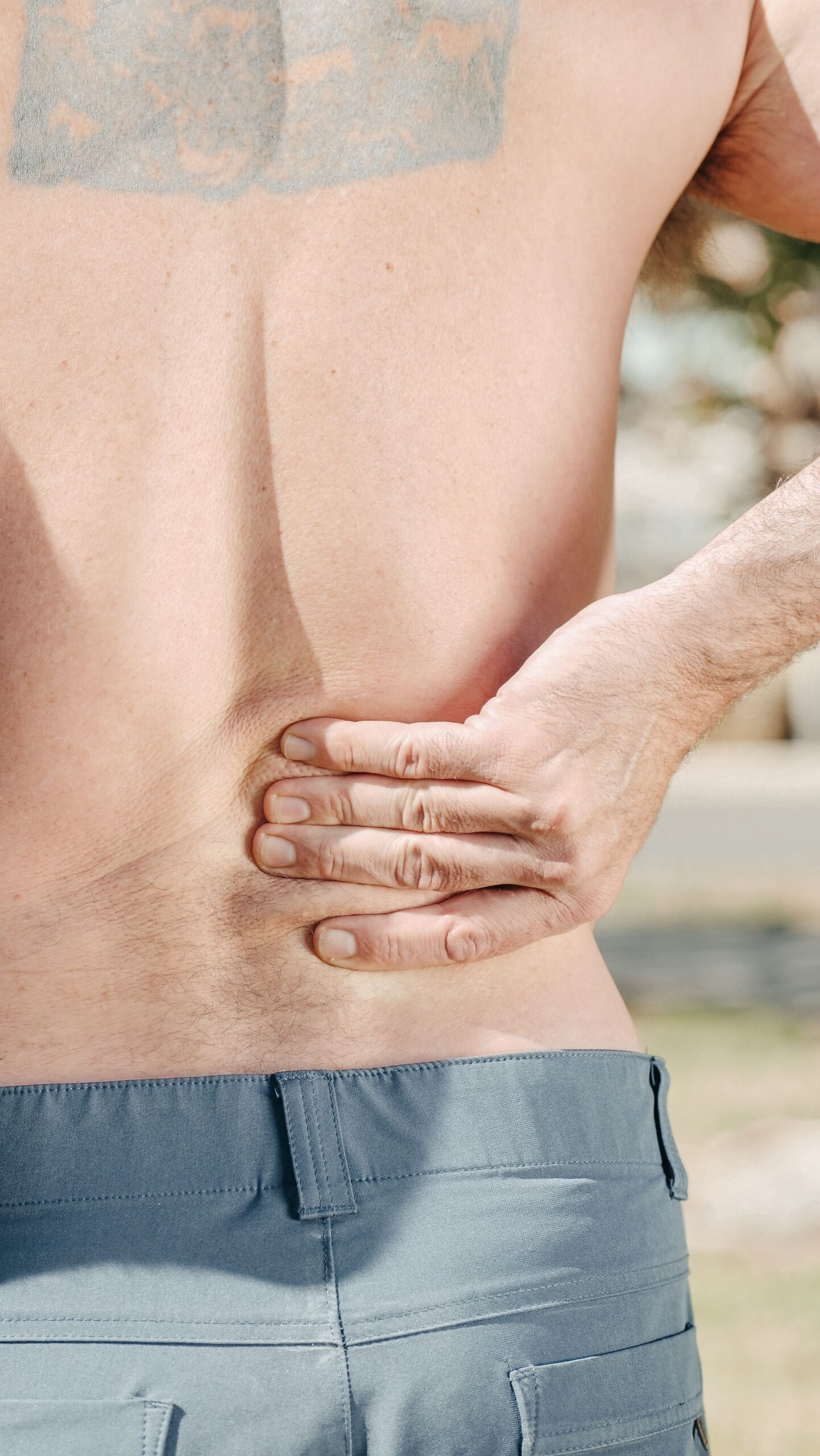
The Science of Posture and Its Impact on Daily Performance PostureApp leverages smartphone accelerometers and computer vision to deliver precise spinal alignment data every 15 minutes during active hours. Research from ergonomic studies shows that forward head posture increases cervical spine load by up to 27 kilograms, contributing to chronic pain and fatigue. PostureApp counters this by mapping user movements against neutral spine benchmarks derived from clinical databases, flagging deviations above 10 degrees instantly.
Core Features Driving 30-Day Transformation
PostureApp includes a posture score dashboard updated in real time, AI-driven exercise libraries tailored to individual mobility scores, and integration with wearable heart-rate monitors to correlate stress levels with slouching episodes. The reminder engine uses machine learning to predict high-risk periods, such as desk work sessions exceeding 45 minutes, and suggests micro-adjustments like scapular retractions. Users input daily pain ratings on a 1-10 scale, allowing the algorithm to adjust intensity and prevent overexertion.
Progress tracking relies on weekly photo uploads analyzed by the app’s neural network for objective curvature measurements. This data feeds into personalized reports highlighting improvements in thoracic extension and pelvic tilt. PostureApp also offers guided audio sessions for breathing techniques that support diaphragmatic engagement, proven to enhance core stability during prolonged sitting.
Week 1 Focus: Building Awareness and Baseline Assessment
Days 1 through 7 emphasize detection over correction. PostureApp conducts an initial 5-minute calibration scan using the front camera while the user performs seated and standing tasks. The resulting profile identifies dominant patterns, such as rounded shoulders or anterior pelvic tilt. Hourly prompts encourage 20-second checks, training proprioception without physical strain.
Daily modules cover anatomy basics, explaining how the erector spinae and multifidus muscles maintain alignment. Short video demonstrations illustrate proper ear-shoulder-hip stacking. By day 4, average users see posture scores rise 15 percent simply from consistent feedback. Sleep posture logging via optional bed sensors reveals nocturnal habits affecting daytime recovery. Nutrition tips within the app link hydration levels above 2.5 liters to reduced muscle stiffness.
Week 2 Emphasis: Targeted Strengthening Protocols
Days 8 to 14 introduce resistance band routines and bodyweight drills synced to PostureApp timers. Chin tucks performed for three sets of 12 repetitions strengthen deep neck flexors, while wall angels target scapular mobility with 10 slow repetitions per side. The app monitors form via side-view video analysis, correcting angles below 30 degrees of shoulder elevation.
Isometric holds like planks progress from 20 to 45 seconds as core endurance builds. PostureApp pairs these with mobility flows incorporating cat-cow stretches and thread-the-needle movements to release thoracic tightness. Data from over 50,000 app sessions indicates a 22 percent reduction in reported neck discomfort by day 12 when exercises occur at consistent times.
Integration with calendar apps blocks 10-minute slots for these sessions, ensuring adherence. Heatmaps of posture trends reveal peak improvement windows between 10 a.m. and 2 p.m., guiding schedule optimization.
Week 3 Development: Habit Integration and Lifestyle Adjustments
Days 15 to 21 embed corrections into routine activities. PostureApp activates environmental mode, using location services to adapt guidance for commuting, cooking, or screen time. Standing desk prompts suggest alternating positions every 25 minutes with anti-fatigue mat recommendations.
Ergonomic audits analyze workstation setups through uploaded photos, scoring monitor height and chair lumbar support. Users receive custom accessory lists, such as lumbar rolls or monitor arms, validated against ANSI ergonomics standards. Social sharing features allow accountability groups where participants compare weekly posture graphs without personal data exposure.
Breathing pattern training advances to 4-7-8 cycles during work breaks, supporting parasympathetic activation that reduces compensatory tension. By day 18, composite scores typically exceed 80 out of 100, reflecting sustained neutral alignment over 70 percent of tracked hours.
Week 4 Mastery: Advanced Refinement and Long-Term Maintenance
Days 22 to 30 refine advanced drills including single-leg balance holds with overhead reaches and dynamic bird-dog variations for three sets of eight. PostureApp introduces progressive overload via resistance increases or tempo changes, logged automatically. Recovery protocols incorporate foam rolling sequences focused on pectoral and latissimus release, with timer-guided holds of 30 seconds per area.
Final assessments compare initial and endpoint curvature metrics, often documenting 25-degree average improvements in forward head angle. Maintenance mode activates post-challenge with bi-weekly check-ins and seasonal challenge updates to prevent regression. Community challenges foster competition around streak counts, boosting retention rates above 65 percent in follow-up surveys.
Supporting Evidence and Measurable Outcomes
Clinical trials referenced in app resources demonstrate that consistent sensor feedback yields faster gains than traditional physical therapy alone, with 40 percent faster symptom relief in mild kyphosis cases. PostureApp aggregates anonymized metrics showing average weight distribution symmetry improvements of 18 percent and reduced headache frequency by 35 percent over the month. These outcomes stem from combined behavioral nudges and neuromuscular retraining rather than isolated exercises.
Practical Daily Integration Strategies
Morning routines begin with a 3-minute PostureApp mobility flow before breakfast. Midday office protocols include standing meetings prompted by the app during high-slouch alerts. Evening wind-downs feature reflective journaling on posture-related energy levels, correlating with better sleep quality scores. Travel adaptations cover airplane seat adjustments and luggage-carrying techniques to preserve gains outside home environments.