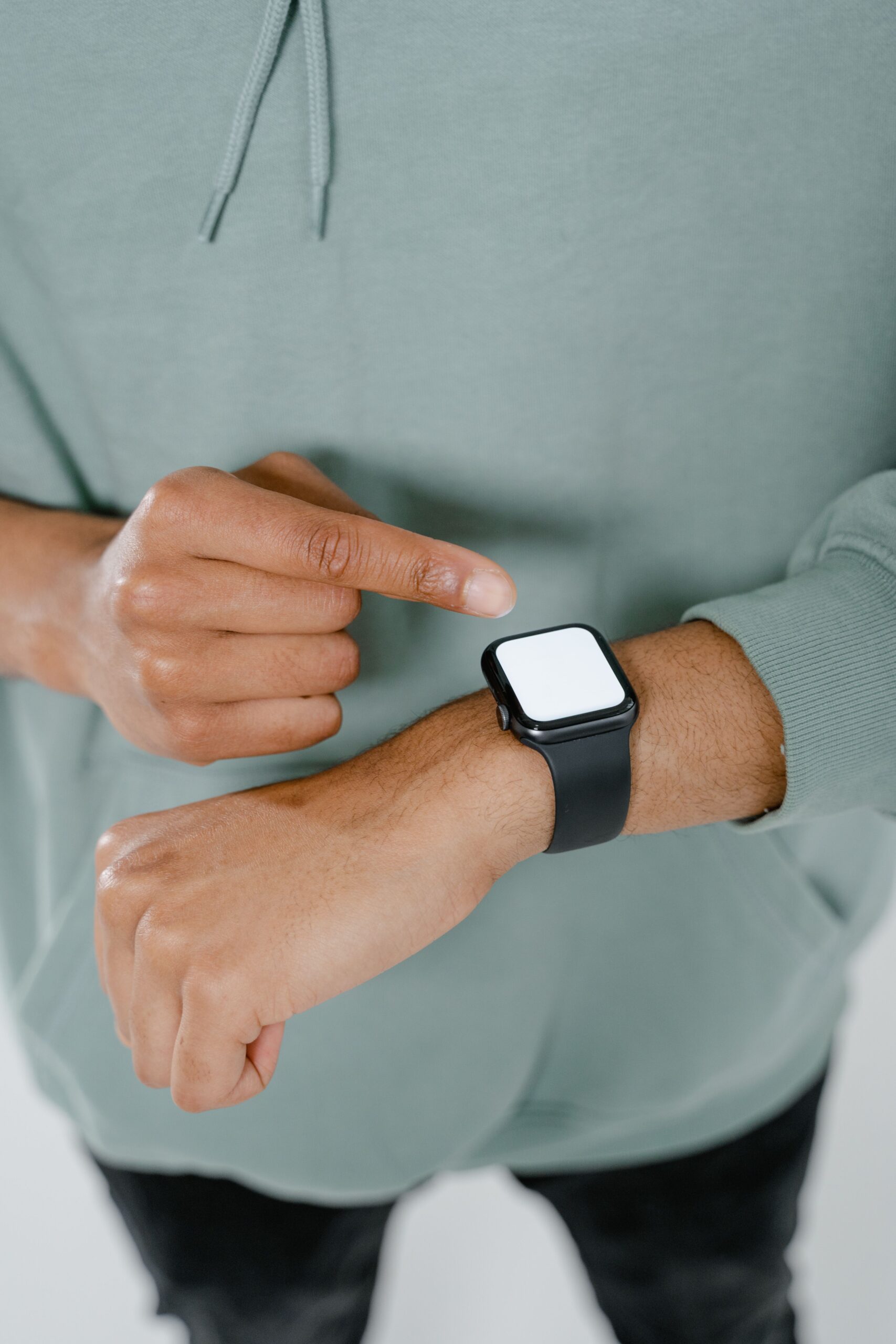
Apple Watch Ultra 2 delivers exceptional heart rate monitoring through its optical sensor array that samples at 100 times per second during workouts. Users benefit from real-time alerts for irregular rhythms and the ECG app that records a single-lead electrocardiogram in under 30 seconds. The device tracks blood oxygen saturation with the blood oxygen app, providing on-demand readings that help athletes monitor recovery after high-intensity sessions. Advanced running dynamics include ground contact time, vertical oscillation and stride length captured via the built-in accelerometer and gyroscope. Dual-frequency GPS ensures precise route mapping even in dense urban environments or thick forest trails. Sleep tracking breaks down stages including REM, core and deep sleep while the temperature sensor detects deviations that may indicate illness or overtraining. Battery life reaches 36 hours in normal use and extends to 72 hours with low-power settings, making it suitable for multi-day endurance events. Water resistance to 100 meters supports swimming and diving activities with dedicated pool and open-water modes. Integration with the Fitness app aggregates data from multiple sources for a comprehensive view of daily activity rings focused on move, exercise and stand goals.
Garmin Forerunner 965 excels in multisport tracking with built-in profiles for running, cycling, swimming, strength training and triathlon. The AMOLED display offers vibrant metrics visibility under direct sunlight while the titanium bezel reduces weight to 34 grams. Training readiness score combines sleep, recovery time, HRV status and acute load to recommend workout intensity each morning. Morning report summarizes sleep score, HRV, training load and weather in a single glance. ClimbPro feature breaks down elevation on preloaded courses to pace efforts on ascents accurately. Body battery energy monitoring uses heart rate variability to indicate remaining reserves throughout the day. Music storage allows offline playback without a phone during long runs. The device supports Garmin Pay for contactless payments at aid stations. Battery endurance reaches 23 days in smartwatch mode and 15 hours in GPS mode with all sensors active. Recovery time advice adjusts dynamically based on recent training stress scores.
Oura Ring Gen3 focuses on recovery and sleep optimization through a titanium shell housing infrared LEDs and temperature sensors. Nightly readiness score rates body readiness on a 1-100 scale derived from resting heart rate, heart rate variability and previous day activity. Sleep stages receive detailed scoring with automatic detection of naps that contribute to overall sleep debt calculation. Women’s health tracking logs menstrual cycle phases and predicts ovulation windows using temperature trends. Activity tracking counts steps, calories and active minutes while the move reminder encourages movement every hour. The ring connects via Bluetooth to the Oura app that visualizes trends over weeks and months. Battery life averages seven days between charges with wireless charging completing in 20 minutes. Water resistance to 100 meters permits showering and swimming without removal. Sizing kit ensures accurate fit for continuous 24/7 wear without discomfort during weightlifting or yoga.
Fitbit Charge 6 combines a slim wristband form factor with built-in GPS for independent run tracking without phone tethering. Heart rate monitoring provides zone training guidance during cardio sessions and resting heart rate trends over time. Built-in ECG app detects atrial fibrillation with medical-grade accuracy when used as directed. Stress management score uses heart rate variability to suggest breathing exercises during high-stress periods. Sleep profile identifies sleep stages and provides a daily sleep score alongside bedtime recommendations. The device syncs automatically with the Fitbit app that offers guided workouts and nutrition logging. Battery life extends up to seven days on a single charge. Water resistance supports swimming laps with stroke detection. Google Wallet integration enables tap-to-pay during outdoor activities. Automatic exercise detection logs walks, runs and bike rides without manual start.
Samsung Galaxy Watch 7 incorporates BioActive sensor for continuous heart rate, SpO2 and body composition analysis including skeletal muscle mass and body fat percentage. Advanced sleep coaching breaks down sleep cycles and offers personalized tips based on consistency and duration. Running coach adapts training plans using GPS and accelerometer data to improve pace and endurance. The watch supports over 100 workout modes with auto-detection for common activities. Energy score evaluates readiness using sleep, activity and heart rate recovery data each morning. Battery life reaches 40 hours with always-on display enabled and extends further in power-saving modes. Water resistance to 50 meters handles pool swims and shower use. Samsung Pay allows secure payments while the device pairs seamlessly with Android phones for notification management and app control.
Comparing sensor accuracy across these wearables reveals that optical heart rate performs within 5 percent of chest straps during steady-state activities but shows greater variance during high-intensity intervals. Dual-frequency GPS models such as the Forerunner 965 and Apple Watch Ultra 2 reduce positioning errors to under 3 meters in challenging terrain. Temperature sensing in Oura and Apple devices tracks nocturnal skin temperature changes with 0.1 degree Celsius resolution to flag recovery needs. HRV measurements correlate strongly between devices when taken at consistent times, supporting reliable trend analysis for overtraining prevention. Battery performance varies by usage intensity with always-on displays reducing endurance by 30 to 40 percent across models.
Selecting a wearable depends on primary goals such as endurance sports, sleep optimization or general activity tracking. Runners prioritize models with advanced running dynamics and long GPS battery life while strength athletes value body composition metrics and rep counting. Sleep-focused users benefit from rings or bands that minimize wrist bulk during rest. Compatibility with existing phone ecosystems influences app experience and data export options. Budget considerations range from under 150 dollars for basic trackers to over 800 dollars for premium titanium models with medical-grade sensors. Firmware updates continue to add features post-purchase, extending device relevance throughout 2024 and beyond.