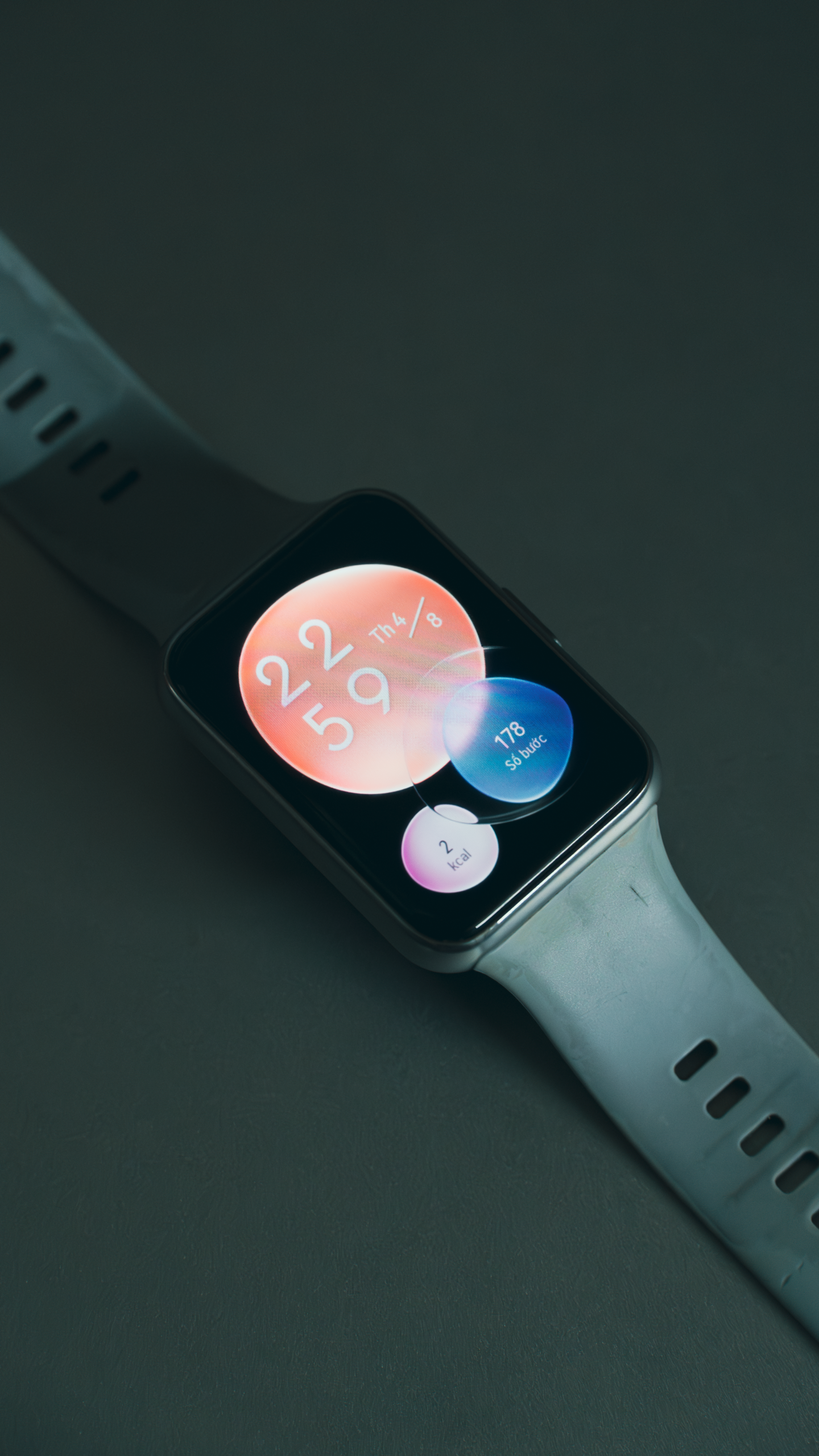
The Fitbit Charge 6 delivers superior fitness tracking through continuous heart rate monitoring, built-in GPS, and automatic exercise detection for over 40 activities. Users benefit from its SpO2 tracking, sleep score analysis, and stress management tools that integrate seamlessly with the Fitbit app for personalized insights. Battery life reaches seven days under typical use, making it reliable for extended tracking sessions without frequent charging. Compared to predecessors, the Charge 6 adds Google Wallet and Maps integration for added convenience during workouts. Its lightweight design with a vibrant AMOLED display ensures readability in sunlight, while water resistance up to 50 meters supports swimming laps. Pros include accurate step counting and calorie burn estimates validated in multiple studies, though some users note occasional connectivity hiccups with Android devices. At around $160, it positions as a premium option for serious fitness enthusiasts seeking data-driven progress in 2024.
The Xiaomi Smart Band 9 excels in affordability while providing robust metrics like 24/7 heart rate, blood oxygen levels, and advanced sleep tracking with REM cycle details. Its 1.62-inch AMOLED screen offers crisp visuals, and the band supports over 150 sports modes including yoga, cycling, and rowing. Battery endurance extends to 14 days, ideal for users avoiding daily charges. NFC payment support and stress monitoring add value, with the Mi Fitness app delivering weekly reports and goal setting. Accuracy holds strong for basic metrics, though GPS relies on phone connection rather than standalone. Priced near $50, it appeals to beginners and budget-conscious buyers focused on core fitness tracking without extras. Durability features include IP68 rating for dust and water, surviving intense training environments effectively.
Garmin Vivosmart 5 emphasizes health metrics with all-day body battery energy monitoring, pulse ox, and respiration tracking to gauge recovery. The slim profile fits comfortably for round-the-clock wear, and it logs activities such as walking, running, and strength training automatically. Five-day battery life supports consistent data collection, synced via the Garmin Connect app for detailed graphs and challenges. Built-in GPS is absent, depending on paired smartphones, yet heart rate accuracy rivals higher-end models in lab tests. Water resistance allows shower use, and the always-on display shows notifications efficiently. At approximately $150, it suits athletes prioritizing wellness over flashy features, though limited sports modes restrict versatility for niche activities like golf.
Amazfit Band 7 provides extensive tracking with 120 sports modes, heart rate, SpO2, and sleep quality analysis including nap detection. The 1.38-inch screen supports always-on functionality, and 18-day battery life minimizes maintenance. PAI health assessment scores overall fitness based on activity intensity, while the Zepp app offers AI coaching tips. Standalone GPS enhances outdoor runs without phone tethering, boosting independence. Accuracy in step and distance metrics proves reliable per user feedback, with Alexa voice assistant integration for hands-free control. Costing about $70, it balances features and price for intermediate users in 2024 seeking long-lasting performance.
Huawei Band 9 focuses on stress and recovery with continuous HRV monitoring alongside standard fitness stats like steps, calories, and 100 workout types. TruSeen 5.5 heart rate technology improves precision during high-intensity intervals. The band lasts up to 14 days, features a bright display, and supports TruSleep 2.0 for in-depth rest analysis. Huawei Health app connectivity enables custom plans, though availability varies by region due to ecosystem limits. Water resistance supports swimming, and lightweight build aids all-day comfort. Around $60, it attracts users in Huawei device ecosystems valuing detailed recovery data.
Comparison of Key Features Across Top Models
– Heart rate accuracy: Fitbit Charge 6 and Garmin Vivosmart 5 lead with clinical-grade sensors. – Battery duration: Xiaomi and Amazfit models extend beyond 10 days for minimal interruption. – GPS capability: Amazfit Band 7 offers standalone while others pair with phones. – Price range: Budget options like Xiaomi under $60 versus premium Fitbit near $160. – App ecosystem: Fitbit and Garmin provide deeper analytics and community challenges.
Essential Metrics for Effective Fitness Tracking
Smart bands measure steps, distance, heart rate zones, and calorie expenditure to quantify daily movement. Sleep stages analysis reveals patterns affecting performance, while SpO2 levels indicate oxygen saturation during exercise. Stress scores guide mindfulness integration, and recovery indicators like body battery prevent overtraining. Choose bands with automatic detection to capture unplanned activities accurately without manual starts.
Factors Influencing Selection in 2024
Consider compatibility with iOS or Android for seamless syncing. Prioritize water resistance for aquatic sports and display visibility outdoors. Battery life impacts usability for multi-day hikes, and app quality determines insight depth. Budget dictates feature depth, with mid-range models covering 80 percent of needs for most users. Test comfort during extended wear to ensure adherence to tracking routines.
Advanced Functionalities Enhancing Workouts
Built-in music controls allow playlist management mid-run, while notifications keep users connected without phone checks. Guided breathing sessions support mental fitness alongside physical. Customizable watch faces personalize motivation, and goal reminders sustain consistency. Integration with third-party apps expands data export for trainers or physicians reviewing progress.
User Experiences and Real-World Performance
Athletes report improved adherence when bands provide instant feedback on pace and zones. Casual users appreciate simple interfaces for step goals without complexity. Long-term data trends help identify plateaus, prompting adjustments like increased intensity. Common praises center on reliability during varied weather, though firmware updates occasionally refine algorithms for better precision.
Maintenance Tips for Longevity
Clean sensors weekly with soft cloth to maintain accuracy. Avoid extreme temperatures that degrade batteries prematurely. Update firmware regularly for new tracking modes. Store bands properly when not in use to prevent strap wear. These practices ensure consistent performance across the year’s fitness journey.