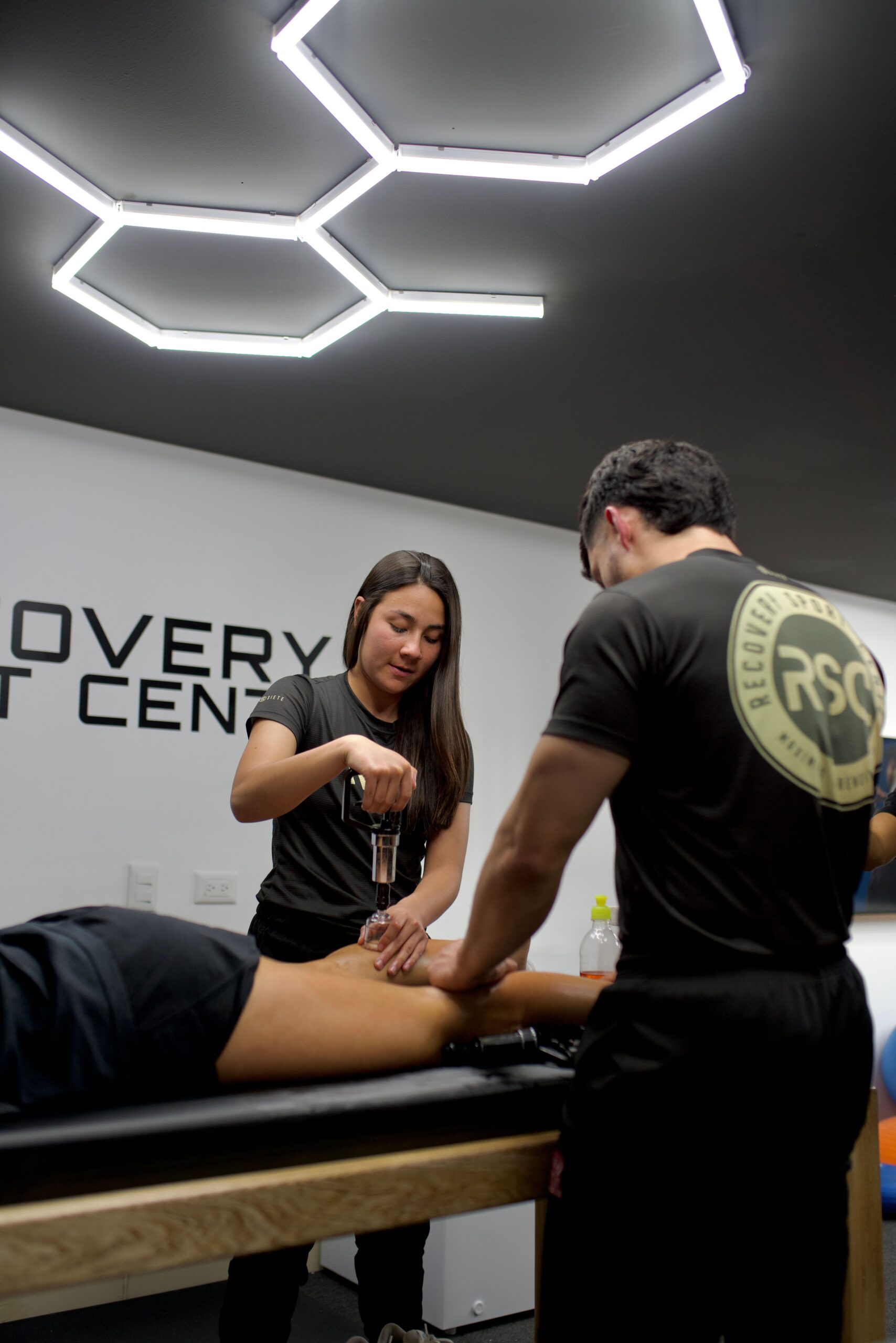
Physical Therapy for Chronic Pain Relief Physical therapy stands out as one of the most effective pain management techniques for chronic pain relief. Licensed therapists design personalized programs that include stretching, strengthening exercises, and manual therapy to improve mobility and reduce inflammation. Patients with conditions like arthritis or lower back pain often experience significant improvements after 6 to 12 weeks of consistent sessions. Research from the American Physical Therapy Association shows that targeted exercises can decrease pain intensity by up to 30 percent while enhancing daily function. Incorporate home-based routines such as pelvic tilts or shoulder rolls to maintain progress between appointments.
Regular Exercise and Stretching Routines Incorporating regular exercise into daily life supports long-term chronic pain relief by releasing endorphins and strengthening supporting muscles. Low-impact activities like swimming or walking for 30 minutes most days help manage fibromyalgia symptoms without aggravating joints. Stretching routines focusing on hamstrings and hip flexors prevent stiffness in those dealing with sciatica. Studies published in the Journal of Pain indicate that moderate aerobic exercise three times weekly lowers perceived pain levels by 25 percent. Track progress with a journal to stay motivated and adjust intensity based on body signals.
Heat and Cold Therapy Applications Heat and cold therapy provide accessible, drug-free options for chronic pain relief. Applying moist heat packs for 15 to 20 minutes relaxes tight muscles in neck pain cases, while ice packs reduce swelling in acute flare-ups from rheumatoid arthritis. Alternate between the two methods during physical activity recovery. Clinical trials demonstrate that consistent use improves blood flow and decreases nerve sensitivity. Always wrap applications in cloth to avoid skin damage and limit sessions to prevent tissue injury.
Medications and Their Strategic Role Medications play a supportive part in comprehensive pain management techniques when combined with lifestyle changes. Over-the-counter options like ibuprofen address inflammation in osteoarthritis, whereas prescription options such as gabapentin target neuropathic pain. Always consult healthcare providers for dosage adjustments to minimize side effects. Evidence from pain management guidelines emphasizes multimodal approaches where medications complement therapy rather than serve as standalone solutions. Monitor responses through regular check-ins to optimize chronic pain relief outcomes.
Mindfulness-Based Stress Reduction Practices Mindfulness-based stress reduction offers proven mental tools for chronic pain relief by training the brain to reframe pain signals. Daily 10-minute sessions of focused breathing or body scans help individuals with migraines detach from discomfort. Programs lasting eight weeks show reductions in pain-related anxiety by 40 percent according to Harvard Medical School research. Integrate apps for guided sessions to build consistency. This technique enhances overall well-being without requiring equipment.
Acupuncture and Acupressure Methods Acupuncture delivers targeted chronic pain relief through needle insertion at specific meridians that stimulate natural healing responses. Sessions lasting 30 to 45 minutes prove effective for back pain and headaches, with meta-analyses confirming 50 percent improvement rates in some patients. Acupressure serves as a self-administered alternative by applying finger pressure to points like LI4 for headaches. Seek licensed practitioners for safety and track symptom changes over multiple visits.
Diet and Nutrition Strategies Nutrition directly influences inflammation levels tied to chronic pain. Anti-inflammatory diets rich in omega-3 fatty acids from fish and antioxidants from berries support joint health in arthritis sufferers. Reducing processed sugars and incorporating turmeric supplements can lower pain scores by 20 percent over three months per nutrition studies. Maintain hydration at eight glasses daily to aid tissue repair. Consult a dietitian to personalize plans for sustained chronic pain relief.
Cognitive Behavioral Therapy Sessions Cognitive behavioral therapy equips patients with coping strategies that rewire pain perception for better management. Weekly sessions address negative thought patterns common in chronic conditions like neuropathy. Participants report 35 percent decreases in pain interference with activities after 12 weeks. Online modules make this accessible for those with mobility limits. Pair with journaling to reinforce learned skills.
Yoga and Tai Chi Integration Yoga and tai chi combine movement with breath control to promote flexibility and calm in chronic pain relief efforts. Poses like child’s pose ease lower back tension, while tai chi flows improve balance in elderly patients with osteoporosis-related pain. Research in the Annals of Internal Medicine highlights 45-minute classes twice weekly yielding notable mobility gains. Begin with beginner modifications to avoid strain.
Biofeedback and Relaxation Techniques Biofeedback uses sensors to monitor muscle tension and heart rate, teaching voluntary control for pain reduction. Sessions help migraine sufferers lower attack frequency by 50 percent. Combine with progressive muscle relaxation for deeper effects. Home devices extend practice beyond clinical settings.
Transcutaneous Electrical Nerve Stimulation Units TENS units deliver low-voltage electrical currents to interrupt pain signals in areas like the shoulders or knees. Portable models allow use during daily tasks for ongoing chronic pain relief. Settings adjusted to comfortable tingling levels maximize benefits without discomfort. Clinical reviews support their role as adjunct therapy.
Chiropractic Care Adjustments Chiropractic adjustments realign the spine to alleviate pressure on nerves causing chronic discomfort. Techniques like spinal manipulation benefit those with tension headaches. Multiple visits over months often yield cumulative improvements when paired with exercise.
Sleep Management Protocols Quality sleep underpins effective pain management techniques since poor rest amplifies sensitivity. Establish routines with consistent bedtimes and cool environments to combat insomnia linked to fibromyalgia. Avoiding screens an hour before bed enhances restorative cycles.
Support Groups and Social Connections Joining support groups fosters emotional resilience through shared experiences in chronic pain relief journeys. Online forums or local meetings provide practical tips and reduce isolation. Regular interactions correlate with better adherence to treatment plans.