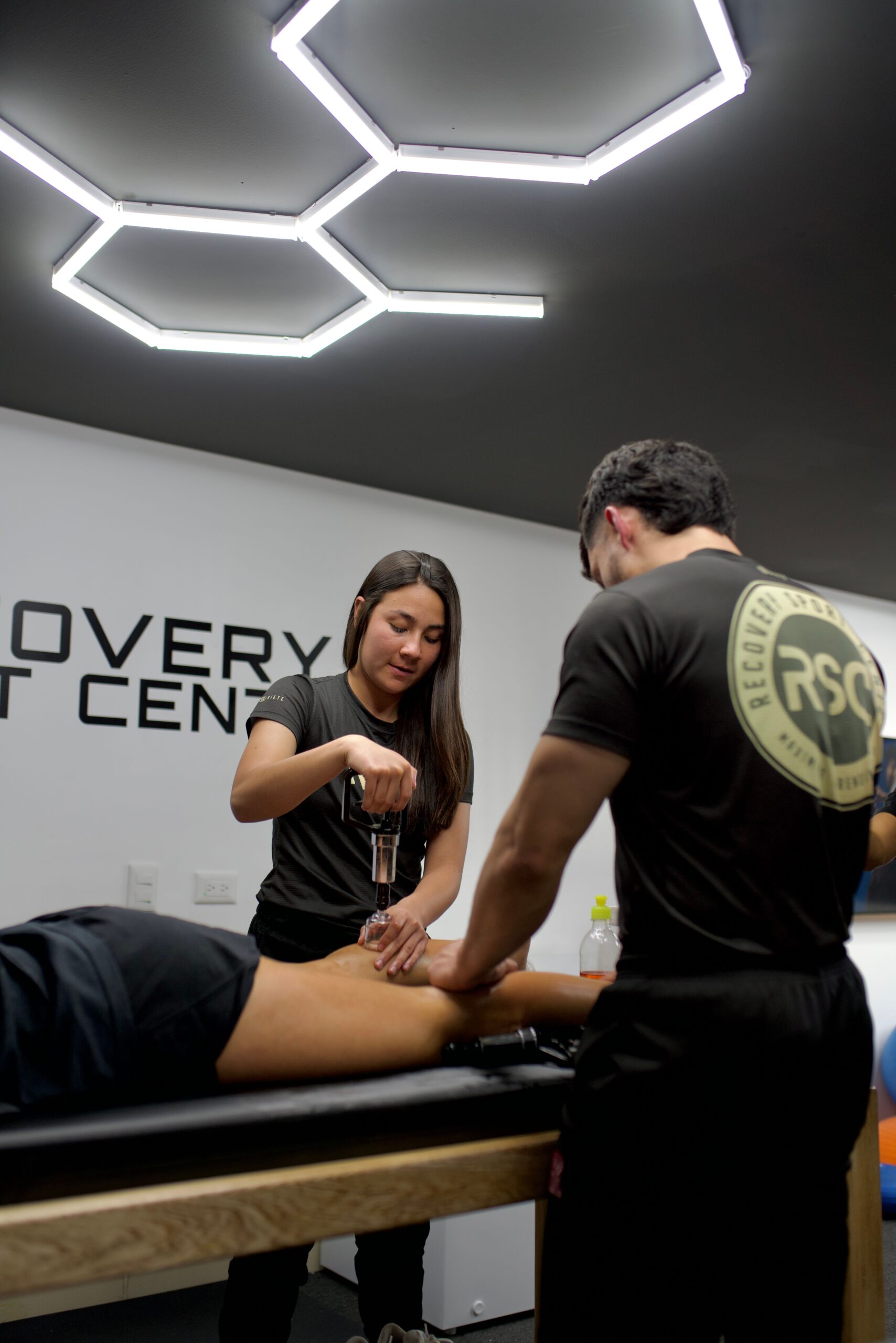
BodyRecovery encompasses the comprehensive set of physiological and psychological processes that enable athletes to repair muscle tissue, replenish energy stores, and restore hormonal balance following strenuous physical exertion. This concept integrates sleep optimization, targeted nutrition, active recovery sessions, and advanced modalities such as cryotherapy and compression therapy. Athletes who prioritize BodyRecovery experience reduced inflammation markers, including lower levels of creatine kinase and interleukin-6, which directly correlates with faster return to peak performance levels.
Physiological Mechanisms Behind BodyRecovery
During intense training, micro-tears form in muscle fibers, glycogen depletes, and oxidative stress accumulates. BodyRecovery activates satellite cells to fuse with damaged fibers, promoting hypertrophy and strength gains. Concurrently, the parasympathetic nervous system engages to lower cortisol while elevating testosterone and growth hormone secretion. Research from sports science journals indicates that athletes implementing structured BodyRecovery protocols see a 25-40% improvement in subsequent workout output compared to those who skip recovery phases. Heart rate variability serves as a reliable biomarker; higher variability signals effective BodyRecovery, allowing coaches to adjust training loads accordingly.
Key Components of Effective BodyRecovery
Nutrition forms the foundation, with athletes requiring 1.6-2.2 grams of protein per kilogram of body weight daily alongside carbohydrates timed around training windows. Branched-chain amino acids and omega-3 fatty acids further mitigate soreness. Sleep duration of 7-9 hours supports growth hormone release, while naps of 20-30 minutes enhance cognitive recovery. Active recovery involves low-intensity activities like cycling or swimming at 50-60% maximum heart rate to promote blood flow without additional stress. Modalities such as foam rolling increase range of motion by 10-15%, and contrast baths alternate vasodilation and vasoconstriction to flush metabolic waste.
– Prioritize consistent sleep schedules aligned with circadian rhythms. – Incorporate periodized nutrition plans matching training intensity. – Utilize wearable devices to track recovery scores based on heart rate variability. – Schedule deload weeks every 4-6 weeks to prevent overtraining syndrome.
Why BodyRecovery Matters for Injury Prevention
Inadequate BodyRecovery elevates injury risk through cumulative fatigue that impairs neuromuscular control and joint stability. Studies tracking professional soccer players reveal that those with poor sleep quality suffer 1.7 times more soft-tissue injuries. BodyRecovery maintains tendon elasticity and bone density by balancing osteoclast and osteoblast activity. Athletes in high-impact sports like basketball benefit from protocols emphasizing eccentric loading recovery to protect anterior cruciate ligaments. Early intervention with massage therapy reduces delayed onset muscle soreness duration by up to 48 hours, preserving training consistency throughout competitive seasons.
Performance Enhancement Through Optimized BodyRecovery
Elite athletes leverage BodyRecovery to achieve supercompensation, where training adaptations exceed baseline capacity. Enhanced mitochondrial density from proper recovery improves endurance thresholds, allowing sustained power output during events. Mental resilience also improves as restored serotonin and dopamine levels combat burnout. Data from Olympic training centers shows teams emphasizing recovery achieve 15-20% higher medal conversion rates due to fewer missed sessions. Periodization models integrate BodyRecovery blocks to peak for competitions, ensuring glycogen supercompensation and mental freshness coincide with key events.
Common BodyRecovery Mistakes Athletes Make
Many athletes overlook hydration, leading to elevated blood viscosity and impaired nutrient delivery. Over-reliance on passive rest without light movement delays waste clearance. Ignoring individual variability, such as genetic differences in recovery speed, results in mismatched protocols. Social media trends promoting extreme ice baths without gradual adaptation can cause vasoconstriction shock in novices. Tracking subjective fatigue alongside objective metrics prevents these pitfalls and sustains long-term adherence.
Advanced BodyRecovery Techniques for Competitive Athletes
Blood flow restriction training during recovery sessions stimulates hypertrophy with minimal load, ideal for injured athletes. Photobiomodulation via red light therapy accelerates ATP production in mitochondria. Nutritional timing with casein before bed extends amino acid availability overnight. Team environments benefit from shared recovery facilities offering pneumatic compression devices that reduce limb swelling by 30%. Monitoring via blood panels for micronutrient deficiencies, such as magnesium and vitamin D, ensures no bottlenecks in the recovery cascade.
Integrating BodyRecovery Into Training Schedules
Coaches design microcycles where high-intensity days pair with dedicated recovery emphasis the following day. Apps facilitate logging perceived exertion and sleep data for pattern recognition. Cross-training sports like yoga enhance mobility while providing mental breaks. Seasonal adjustments account for travel fatigue and climate changes affecting hydration needs. Consistent application transforms BodyRecovery from an afterthought into a performance multiplier, directly influencing podium finishes and career longevity.